Open to small projects and collaborations

I build websites you can explore, not just scroll.

I'm Mazen Eissa, a front-end developer from Egypt. I've been teaching myself to code since 2022 and working in front-end since August 2025. I like the interactive kind of website best: an archive of the October 1973 crossing, a site about the hardware NASA left in space, and a full website for a school.

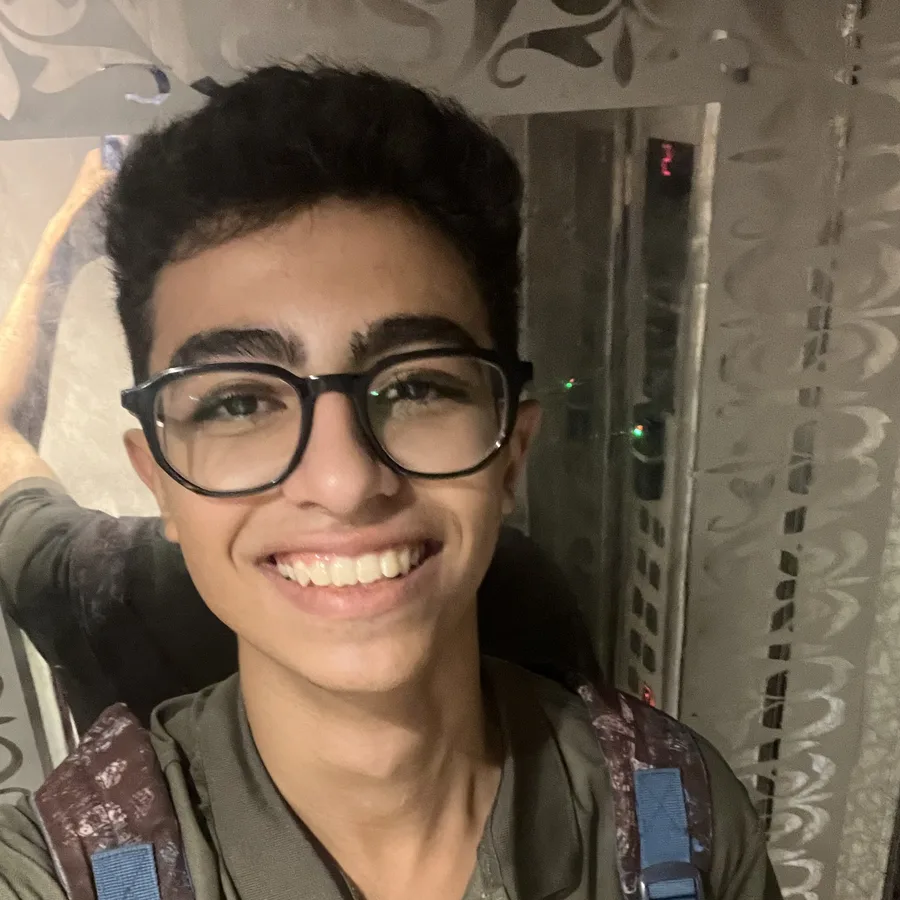
Portrait of Mazen Eissa
About

A bit about me.

I like building websites that load fast, work with a keyboard, and hold up on real phones and slow connections.

I enjoy turning a design into clean code that someone else can pick up easily, and I try to learn something new every week.

I use AI tools when they help, and nothing goes live before I've checked it myself.

Work

Projects.

Three sites I built mostly on my own. I've also worked on sites with other people, and I'm happy to walk you through my part in each.

Education · Interactive storytelling2026

Left Behind

My NASA Space Apps Challenge 2026 project: an interactive site about the hardware NASA left on the Moon, on Mars and in deep space. I used AI help for code and drafts, and checked every fact against NASA sources. Not endorsed by NASA.

Inside20 stories · clickable maps · 1969–2025 timeline · quiz
HTMLCSSJavaScriptVercel
History · Interactive archive2026

The Crossing

An archive of the Egyptian crossing on 6 October 1973. You read the five parts of the plan and try an interactive piece for each, step through a four-phase campaign map, open the photographs, watch the film and a short animation you can play and scrub, and filter lesser-known stories. It says openly where figures and sources are disputed.

Inside5-part plan · 4-phase map · photos · video · stories
HTMLCSSJavaScriptVercel
Education · School website2025

Ibiar Official Language School

A complete website I built on my own for a school: home, about, academics, teachers, facilities, photo gallery, admissions, sports and contact, with an embedded map and a layout that works on phones.

Built alone9 sections · embedded map · responsive
HTMLCSSJavaScriptVercel
Process

How I work.

Four steps. At each one you see something real before we move on.

01

Understand

I ask what the site is for, who will use it and on which devices. Then we agree on the pages and the content.

02

Early preview

You get a working link early, so you react to something real instead of a picture of it.

03

Build

Clean HTML, responsive CSS and plain JavaScript, checked on real phones and with the keyboard.

04

Check

Before handing over I run Lighthouse and fix what it finds: speed, accessibility and layout shift.

Tools

What I use.

Simple tools, used carefully. I pick up new ones when a project needs them.

HTMLCSSFlexboxGridJavaScriptVercel

Interfaces

Semantic HTML, responsive CSS with Flexbox and Grid, and plain JavaScript for the interactive parts: maps, filters, timelines and quizzes.

Shipping

Every project is on Vercel with a live link, so you can open it on your own phone.

Accessibility

Keyboard-friendly controls, a skip link and readable contrast. I learn more about this with every project.

AI as a tool

I use AI assistants to move faster on code and drafts, then I read, test and fact-check the result myself.

Journey

How I got here.

Self-taught, one project at a time.

  1. 2026

    NASA Space Apps Challenge

    Participant

    Built Left Behind and presented it with a demo deck. Used AI help for code and drafts, and checked the facts against NASA sources.

  2. Aug 2025 – now

    Front-End Developer

    Professional work

    Started working in front-end development, building websites with HTML, CSS and JavaScript.

  3. 2023 – 2024

    JavaScript

    Self-taught

    Moved from static pages to interactive ones with JavaScript. I also tried Python, but I stayed with the web.

  4. 2022

    HTML and CSS

    Self-taught

    Started learning to code and the basics of the web.

Contact

Got an idea for a website? Let's talk.

mzn.59eissa@gmail.com
Or message me on WhatsApp +20 150 750 9664